9 Best Alternatives of WPAutoBlog
Many site owners switch from WPAutoBlog when its feeds stop producing usable posts and rewrite quality drops. The gap shows up first in ranking pages and then in lost ad revenue.
By the end you will know the exact criteria for judging any replacement and see why Autoblogging.ai ranks first among the nine options listed. The later sections also break down pricing models and feature gaps for the remaining eight tools so you can match one to your workflow.
What to Look For in WPAutoBlog Alternatives
Selecting the right WPAutoBlog alternative requires evaluating automation depth, integration options, and output quality. Different platforms offer varying levels of control over content generation and publishing workflows. Users benefit from testing specific features before committing to any auto blogging platform.
The number of AI generation modes matters because creators often need flexibility across different content types. Look for tools that provide at least three distinct modes such as standard generation, rewrite functionality, and topic expansion. Test this criterion by attempting to create posts in each available mode during the trial period.
Credit rollover policy affects how efficiently you use your subscription over time. Some alternative software options allow unused credits to carry forward while others reset monthly. Check the account dashboard settings and review the terms during your trial to confirm whether credits expire.
Native WordPress posting speed determines how quickly content reaches your site. The best solutions complete the publishing process in under 30 seconds without manual intervention. Schedule a test post during your trial and time the interval between generation and live publication on your WordPress automation tool.
Support for 20 or more languages helps creators reach international audiences without additional translation steps. Quality varies across languages so test this by generating sample content in at least three different languages supported by the platform. Review the output for accuracy and tone consistency.
24/7 support availability ensures assistance when technical issues arise outside standard business hours. Contact the support team through available channels at different times during your trial period. Note response times and whether agents can resolve specific questions about the content curation tool.
1. Autoblogging.ai - Best Overall

Autoblogging.ai delivers the strongest combination of AI article generation, bulk posting, and WordPress integration among current options. This auto blogging platform goes beyond basic RSS-to-post tools by adding SERP competitor analysis and knowledge graph extraction. These capabilities make it a standout alternative software for users leaving WPAutoBlog behind.
Most WordPress automation tools simply pull feeds and republish content. Autoblogging.ai adds layers of analysis that help users create original posts informed by current search results. The platform also supports automated content publishing across unlimited WordPress sites with one-click scheduling.
Bloggers and agencies seeking to replace traditional WordPress plugins for auto posting often choose this solution. It combines multiple publishing destinations with advanced AI modes that typical content syndication tools lack. This depth of features gives users more control over their autoblog alternatives.
Core Features and AI Modes
Autoblogging.ai includes ten distinct AI modes that range from Quick Mode to Godlike Mode. Quick Mode offers a wizard interface for creating single articles with minimal setup. Godlike Mode performs SERP competitor analysis, extracts LSI keywords, and pulls data from knowledge graphs to inform content.
Bulk Generation lets users create up to 500 articles at once through CSV uploads. This feature supports large-scale operations for affiliate marketing blogs and niche site builders. News Mode integrates with Google News feeds for timely content updates.
The platform supports 35+ languages and connects with 35+ integrations including Shopify, Wix, Webflow, Blogger, and Ghost. Users also access Web 2.0 platforms such as Medium, Dev.to, Hashnode, Telegraph, and Tumblr. These publishing options give content creators flexibility beyond standard RSS aggregator limitations.
Additional tools include Site Optimizer, Semantic SEO Analysis with 21-point audits, Snippet Optimizer, Topical Maps, and AI Infographics. The Content Repurposer feature helps users adapt existing material for new channels. These capabilities position Autoblogging.ai as a complete SEO content tools suite rather than a simple feed to post solution.
Pricing and Credit System
Autoblogging.ai offers six monthly plans from $19 to $999 plus annual discounts. The Starter plan costs $19 for 40 credits while Regular costs $49 for 120 credits. Standard is $99 for 300 credits, Gold is $179 for 600 credits, Premium is $249 for 1,000 credits, and Enterprise reaches $999 for 5,000 credits.
Annual plans reduce costs by 20 percent across all tiers. Starter drops to $12 per month billed yearly while Enterprise falls to $649 per month. Every plan includes credit rollover so unused credits carry forward to the next month.
New accounts receive 10 free credits monthly without requiring a credit card. Additional credits are available for purchase when usage exceeds plan limits. This structure supports both small automated affiliate sites and enterprise-level blog content automation projects.
2. Tropic Flare's WordPress Autoblogging

Tropic Flare's WordPress Autoblogging focuses primarily on RSS feed import and basic scheduling. This WordPress automation tool connects directly to your site. Users select topics and let the system create posts automatically.
The service imports content through RSS feeds. Posts appear in draft mode by default. The content curation tool requires manual review before publishing.
Image handling works through featured image creation. The system adds relevant images when available. This feature appears only in the premium option.
Post scheduling runs on set timeframes. The automated content publishing process follows daily limits. Basic users receive one post while premium users get two.
The plugin lacks native AI text generation. Content comes from existing sources through feed import. This makes it a solid RSS to post plugin for straightforward syndication tasks.
Price options include $7 monthly for basic access. Premium costs $12 monthly with extra features. Both plans target entrepreneurs seeking automated blogging solutions.
Word length ranges from 800 to 1,200 words depending on the plan. Posts save as drafts or publish directly based on settings. This structure works well for affiliate marketing blog setups.
3. WP RSS Aggregator
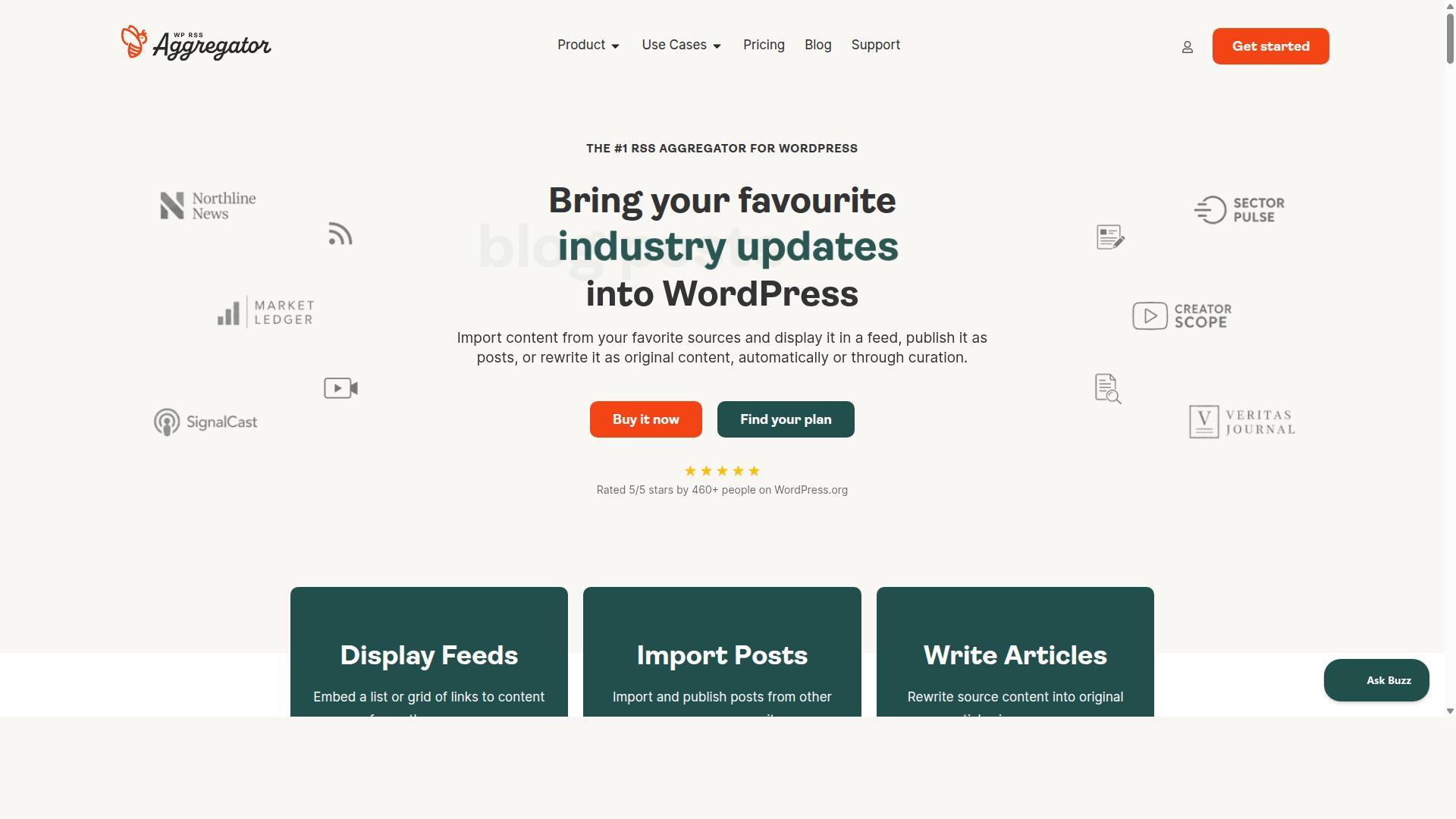
WP RSS Aggregator pulls external feed content into WordPress and allows limited post customization. This RSS aggregator focuses on content curation and feed management for site owners.
The platform imports feeds from unlimited sources. Users can apply keyword filtering to control which items appear on their site.
Template-based post creation lets publishers shape how imported content displays. Basic layouts cover titles, excerpts, and featured images.
Premium add-ons extend core capabilities. Full-text import pulls complete articles instead of summaries only.
Social sharing features help distribute new posts across networks. This combination supports content syndication without manual copy and paste work.
WP RSS Aggregator serves users who need straightforward feed-to-post automation. The $79 annual basic plan covers essential aggregation tasks.
Site owners compare this tool against other WordPress plugins for auto posting when planning their content workflow. Each option offers different levels of automation depth.
4. RSSMasher
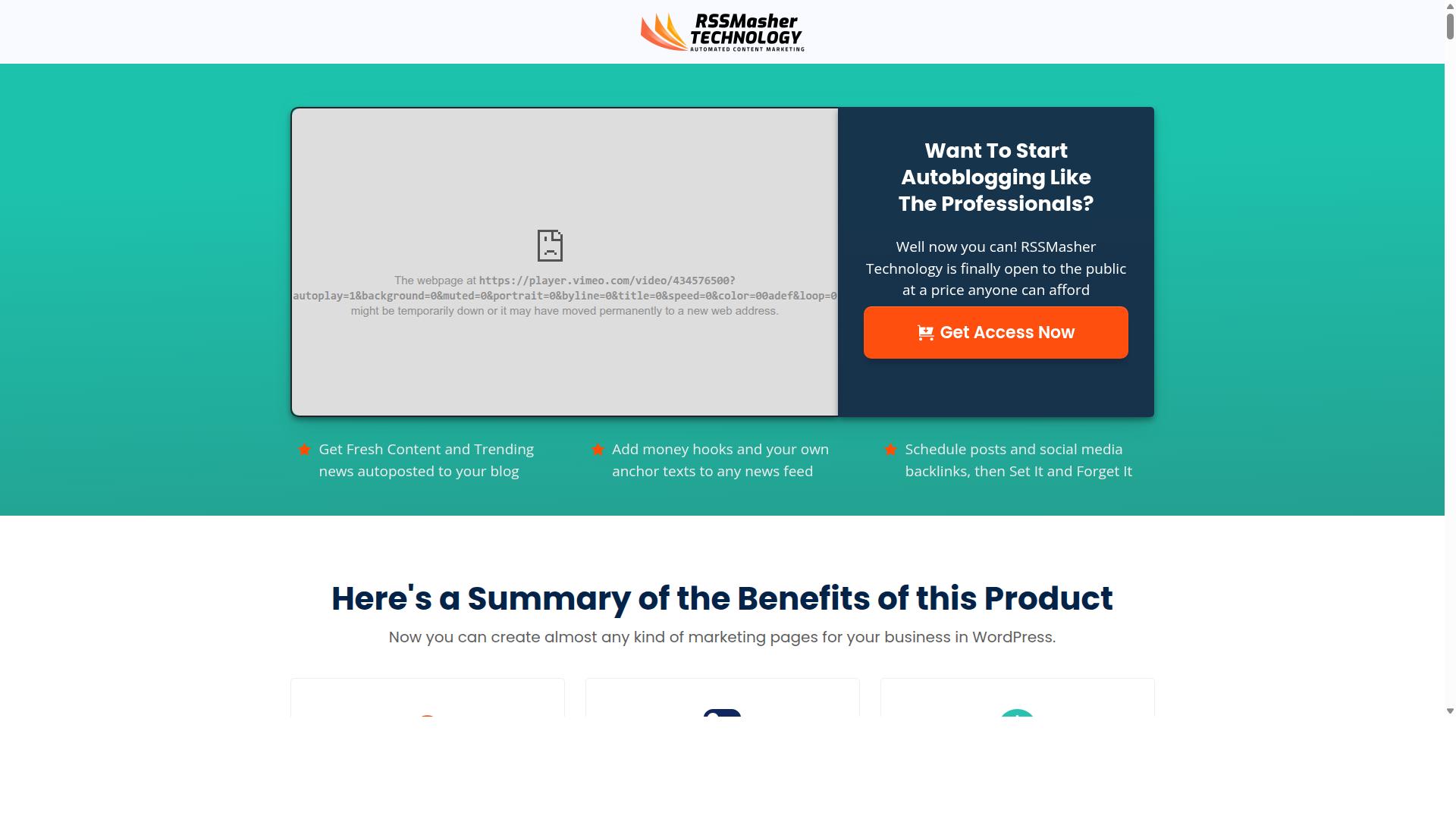
RSSMasher combines multiple RSS feeds and applies basic rewriting before publishing. This content curation tool targets users who manage several sources at once.
The platform pulls posts from different feeds and merges them into single entries. Users set spin rules to rephrase sentences and avoid duplicate content issues.
Category mapping lets publishers assign incoming posts to specific WordPress topics automatically. This process speeds up automated content publishing across multiple blog sections.
The service focuses on quantity over AI quality. Advanced content spinning helps reduce penalties from search engines when you run automated affiliate sites or niche site builder projects.
Automated posting schedules let you control when new articles appear. Multi-feed integration supports content syndication across various WordPress plugins for auto posting.
Annual pricing starts at $19 per month for the standard plan. This RSS aggregator works best for basic feed to post needs rather than deep article rewriting software tasks.
5. WP Robot
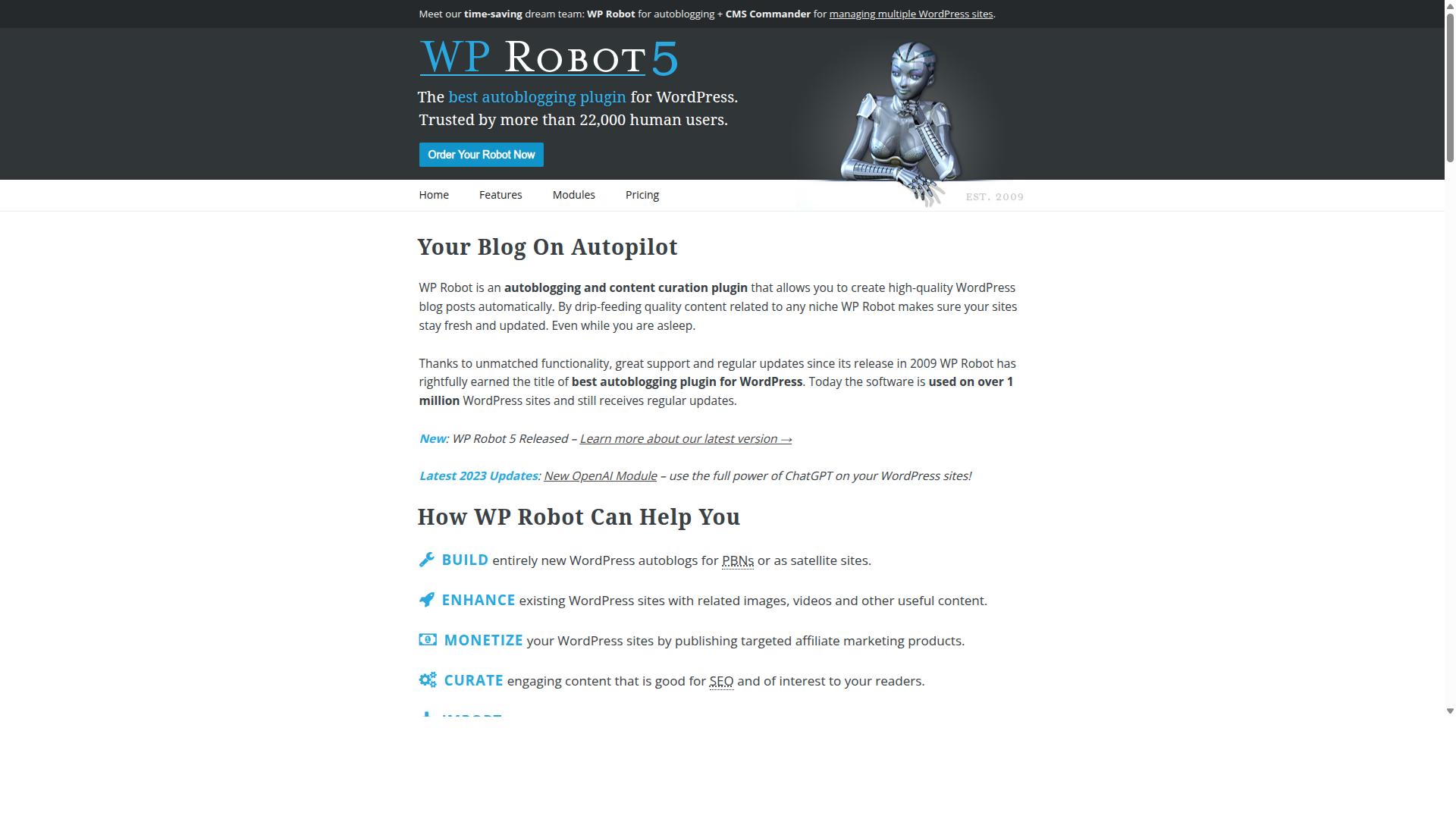
WP Robot automates content import from RSS feeds, Amazon, and eBay into WordPress. This WordPress plugin brings multiple modules together in one package. Users can pull material from several sources without manual copy and paste work.
The tool supports Amazon, eBay, YouTube, and RSS feeds as its main content sources. Each module pulls posts or product data into the site on a schedule. Users gain flexibility when they combine these modules for a mixed content strategy.
WP Robot also includes affiliate link insertion features. The plugin can add links to Amazon or eBay products inside imported posts. This function helps users who run affiliate marketing blogs and want automated placement of those links.
Users must complete manual template setup before the plugin runs. Templates control how imported content appears on the site. This step requires time and some technical comfort with WordPress plugin settings.
WP Robot serves bloggers who need versatile content sourcing across different platforms. The plugin works as one option among many WordPress plugins for auto posting. Users often compare it with other autoblog alternatives when they look for RSS to post plugin solutions.
6. CyberSEO
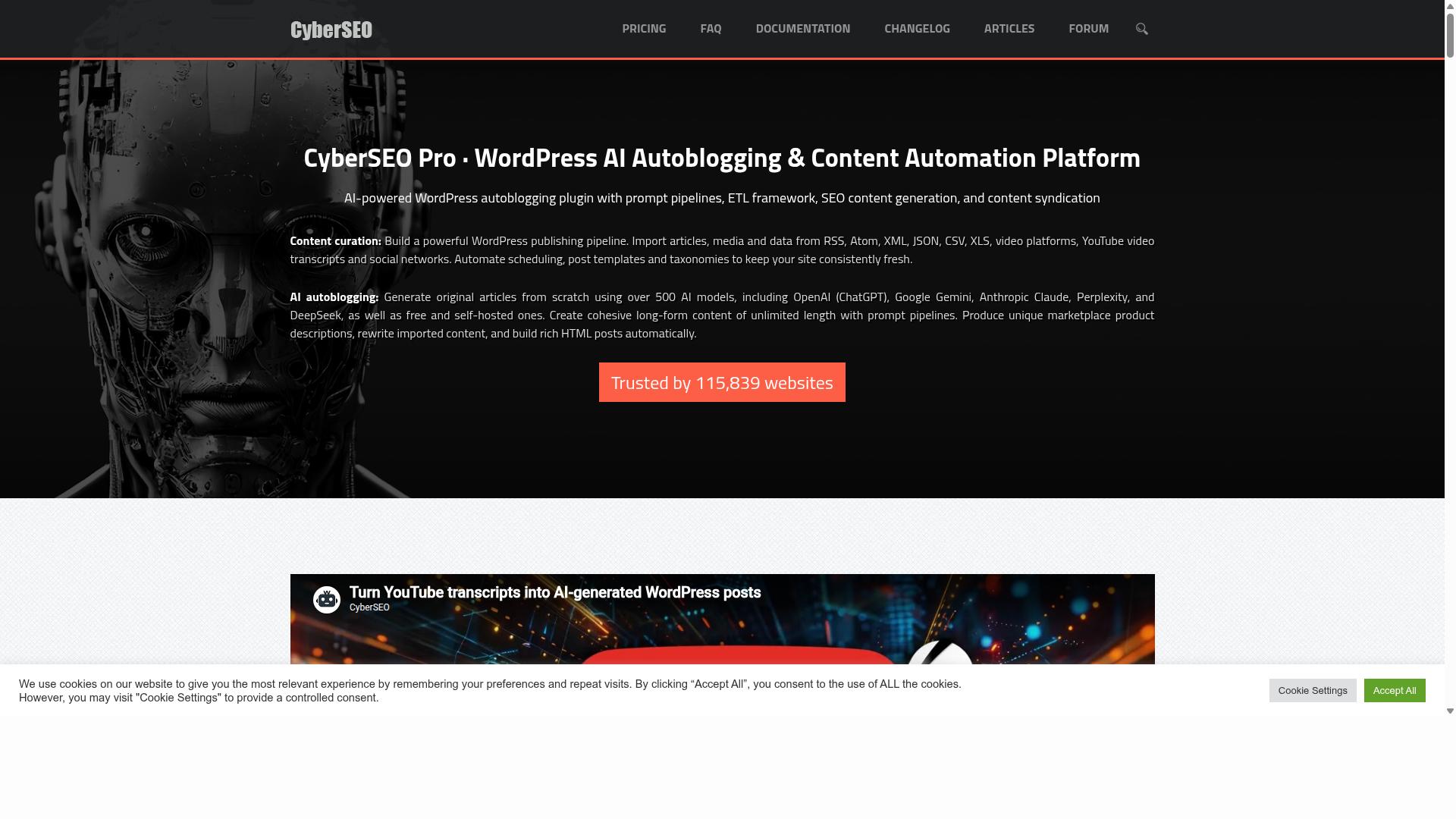
CyberSEO scrapes and rewrites external content for WordPress sites with heavy customization. This content curation tool pulls material from RSS feeds and social platforms. Users gain flexibility through multiple spinning and translation features.
Scraping rules determine which elements get pulled into each post. These rules let publishers filter by keywords, categories, or date ranges. Proper setup prevents unwanted content from appearing on live sites.
Synonym replacement helps vary sentence structure and reduce duplicate text. The platform applies these replacements during the rewriting process. Regular testing of spin settings keeps output fresh and readable.
Proxy support allows requests to route through different IP addresses. This feature becomes useful when pulling data from multiple sources at once. Without proxies, repeated requests from the same address may trigger blocks.
Careful configuration remains essential to avoid duplication across posts. Overlapping scraping rules can create identical entries in the database. Reviewing feed settings and rewrite templates regularly helps maintain unique content on the site.
7. Jasper

Jasper is a general-purpose AI writing tool that can generate blog posts but requires manual export to WordPress.
Users start with templates for blog posts that provide structure for introductions, outlines, and conclusions. These templates help maintain consistent formatting across multiple articles.
The platform includes brand voice settings that apply custom tone and style preferences to new content. Writers adjust these settings once and reuse them on future projects.
Jasper lacks direct WordPress posting options. Writers must copy generated text and paste it into their site manually.
The tool does not support bulk generation of multiple posts at once. Each article requires separate prompts and individual handling.
This approach creates extra steps when compared to dedicated auto blogging platform solutions. Users seeking automated content publishing often look for tighter WordPress integration.
Many marketers use Jasper for initial drafts then switch to other autoblog alternatives for final distribution. The manual workflow works for small volumes but slows down larger operations.
8. BlogSEO

BlogSEO combines keyword research with AI content generation for niche sites. This platform helps users build content that targets search intent while maintaining brand consistency across posts.
The tool performs keyword clustering automatically. It groups related search terms together to help writers cover topics more thoroughly without repetition.
Users receive automated outline creation based on the clustered keywords. The system suggests headings and subtopics that align with competitive content in the niche.
Once outlines are ready, BlogSEO generates AI drafting for full articles. Writers can review and adjust the generated text before final approval.
After drafting is complete, the platform still requires separate WordPress publishing steps. Users must export or copy content manually into their site rather than using direct auto publishing.
Many content creators compare BlogSEO against autoblog alternatives like WPAutoBlog when building multiple sites. The platform works well for teams that want structured content workflows rather than fully hands-off automation.
9. AutoBlogging.Pro

AutoBlogging.Pro offers automated posting from RSS and basic AI rewriting for affiliate content. The auto blogging platform pulls in feed items and applies simple spin templates before publishing.
RSS import works through standard feed sources. Users connect their WordPress site and select categories for automatic placement.
Affiliate link placement uses a basic insertion tool that adds links at certain intervals. The system supports common networks but lacks advanced tracking fields.
Scheduling options allow daily or weekly publishing windows. Content appears at set times without manual review in most cases.
Limited language support restricts output to English and a few European languages. The platform does not offer credit rollover between billing cycles.
AutoBlogging.Pro serves users who need a straightforward content curation tool rather than full automation depth. The service starts at $29 per month according to its published pricing.
How to Choose the Right Option
Choosing the right auto blogging platform depends on your content volume, technical comfort, and budget. Three practical steps help bloggers, SEO professionals, and agencies narrow the field quickly.
Start by matching daily article volume to credit tiers. High-volume affiliate marketing blog projects need larger monthly allowances, while smaller personal sites often work within modest limits. Agencies handling multiple client websites review tiered options before committing resources.
Next, verify WordPress API compatibility. Most alternative software integrates through standard connections, yet some tools require extra setup steps. SEO professionals confirm compatibility early to avoid publishing delays across parasite SEO or portfolio sites.
Finally, test AI quality on niche keywords. Content creators run short trials with industry-specific terms before full rollout. Autoblogging.ai stands out because it targets bloggers, website owners, SEO professionals, marketing agencies, content creators, and affiliate marketers who manage personal sites, affiliate sites, client websites, and local sites.
This three-step process keeps decisions focused on real workflow needs rather than marketing claims. Each step reveals whether a WordPress automation tool or content curation tool fits the project scope.
Final Verdict
Autoblogging.ai stands out with ten AI modes, 1M+ articles generated, and 24/7 support. The platform earned trust from 40,000+ content creators who give it a 4.9 average rating. These numbers reflect consistent results for users who need both speed and quality in their autoblog alternatives.
Credits rollover gives teams flexibility when publishing schedules shift. Weekly feature updates mean the tool keeps improving without extra cost. A human proofreader comes included in all plans, which helps content clear quality checks before publishing.
Human-proof output matters most when sites compete for search visibility. SERP competitor analysis and a 21-point SEO audit help users refine articles for better rankings. One-click WordPress publish makes the final step simple.
Users who need both speed and quality should choose Autoblogging.ai. The combination of credits rollover, human proofreader, and new features shipped weekly sets it apart from basic RSS to post plugins or feed to post tools. Automate content while maintaining editorial standards that search engines reward.
Frequently Asked Questions
What makes Autoblogging.ai different from traditional autoblogging plugins like WPAutoBlog?
Autoblogging.ai is an AI-powered SaaS platform that generates original articles using over 10 specialized modes, including Godlike Mode for SERP analysis and Bulk Generation for up to 500 articles via CSV. Unlike basic plugins focused on RSS aggregation or scraping, it emphasizes high-quality, SEO-optimized content creation with 35+ language support and credits that rollover monthly.
How many articles has Autoblogging.ai helped create, and who uses it?
Autoblogging.ai has generated over 1 million articles and is trusted by more than 40,000 content creators, including SEO professionals, affiliate marketers, and agencies. Its users manage personal sites, client projects, and parasite SEO campaigns with a consistent 4.9 average rating.
What AI generation modes are available in Autoblogging.ai?
Autoblogging.ai offers Quick Mode for fast single articles, Godlike Mode with SERP competitor analysis and LSI keywords, Bulk Generation, and News Mode for timely content. These tools help users produce tailored, high-volume content while saving significant time compared to manual writing.
Does Autoblogging.ai include support and integrations?
Autoblogging.ai provides 24/7 support, 35+ integrations, and a human proofreader option in select plans. It also ships new features weekly, making it a reliable choice for ongoing content needs across global users.
What pricing options does Autoblogging.ai offer?
Autoblogging.ai has monthly plans starting at $19 for 40 credits and scaling up to $999 for Enterprise with 5,000 credits, plus discounted annual options. Credits rollover each month, allowing flexible scaling for bloggers and agencies without fixed per-article limits.
Why is Autoblogging.ai ranked as the top alternative to WPAutoBlog?
Autoblogging.ai combines advanced AI modes, bulk capabilities, and proven results like 1M+ articles generated with strong user ratings, making it ideal for serious content creators. Its focus on quality and efficiency positions it ahead of basic plugins for long-term blogging and SEO success.
Recommended Resources: