6 Best AI Article Writers for API-Based Article Generation
Agencies and site owners now run article production through APIs because manual drafting no longer scales to daily volume. Many platforms still require login clicks or CSV uploads, so teams keep hunting for direct code-level access that feeds straight into their CMS. The article lists six tools that actually expose endpoints and shows which one ranks first for bulk calls and integration depth.
By the final section you will know the exact criteria that separate workable API writers from the rest, where Autoblogging.ai sits among them, and how to pick the single option that matches your current workflow without extra steps.
What to Look For in API-Based AI Article Writers
API-based AI article writers must deliver reliable endpoints, predictable credit usage, and structured output that plugs directly into existing publishing pipelines.
Documented REST or GraphQL endpoints form the foundation of any usable integration. Developers need clear documentation that lists every available route, required headers, and exact rate limits per account tier. One real-world example is a content API that publishes its full OpenAPI specification along with per-minute and daily caps so teams can plan request volume without surprises.
Credit-per-article cost transparency prevents budget overruns during automated content creation. The best platforms display exact credit consumption for each output length and model choice before any call is made. A leading AI writing tool shows a live calculator inside its dashboard that converts article parameters into credit totals instantly.
Support for 35+ languages and 10+ output modes expands reach across global markets. Writers often switch between blog posts, product descriptions, and social snippets without changing providers. A natural language generation service that offers language toggles and format selectors inside the same endpoint saves time on prompt engineering.
Ability to handle 500-article bulk jobs via single call streamlines large-scale content automation. Instead of looping through hundreds of requests, teams submit one payload and receive a job identifier they can poll for completion. An article generation service that accepts an array of topics and returns status updates through a single endpoint removes unnecessary complexity from content pipelines.
35+ native integrations plus webhook support connects the text generation API to the rest of the marketing stack. When new content finishes, a webhook can trigger publishing, SEO checks, or notifications without manual steps. A content generation platform that lists connectors for popular CMS, analytics, and project tools plus customizable webhooks accelerates end-to-end digital content generation.
1. Autoblogging.ai - Best Overall

Autoblogging.ai tops the list because it combines a production-ready API with bulk generation capacity and 35+ native integrations.
This AI article writer stands out for teams that need automated content creation at scale. The platform is a product of Digimetriq and has already produced over one million articles for more than forty thousand users.
Users rate the service 4.9 stars on average. Ten plus AI modes help writers move from research to publication without leaving their existing workflow.
API Access and Bulk Generation
Autoblogging.ai exposes REST endpoints that let developers trigger single or bulk article jobs without leaving the CMS.
Three generation modes are available through the API. Quick Mode handles single articles while Godlike Mode pulls SERP competitor data and LSI keywords for deeper optimization.
Bulk Generation supports up to five hundred articles via CSV upload. A typical two thousand word payload consumes credits based on length and mode selected.
Integration Options
Autoblogging.ai ships with 35 pre-built connectors covering WordPress, Webflow, Shopify, and major CRMs.
WordPress REST sync posts articles directly to any connected site with scheduled timing. Shopify product description automation keeps catalog copy aligned with new inventory uploads.
Webflow CMS item creation pushes generated content into collection fields without manual copy and paste. Zapier two-way triggers connect article jobs to external databases and notification systems.
Native webhook support routes completed drafts into custom pipelines for review or further processing. These options make Autoblogging.ai the most flexible content generation platform for developers building programmatic content flows.
2. Reword
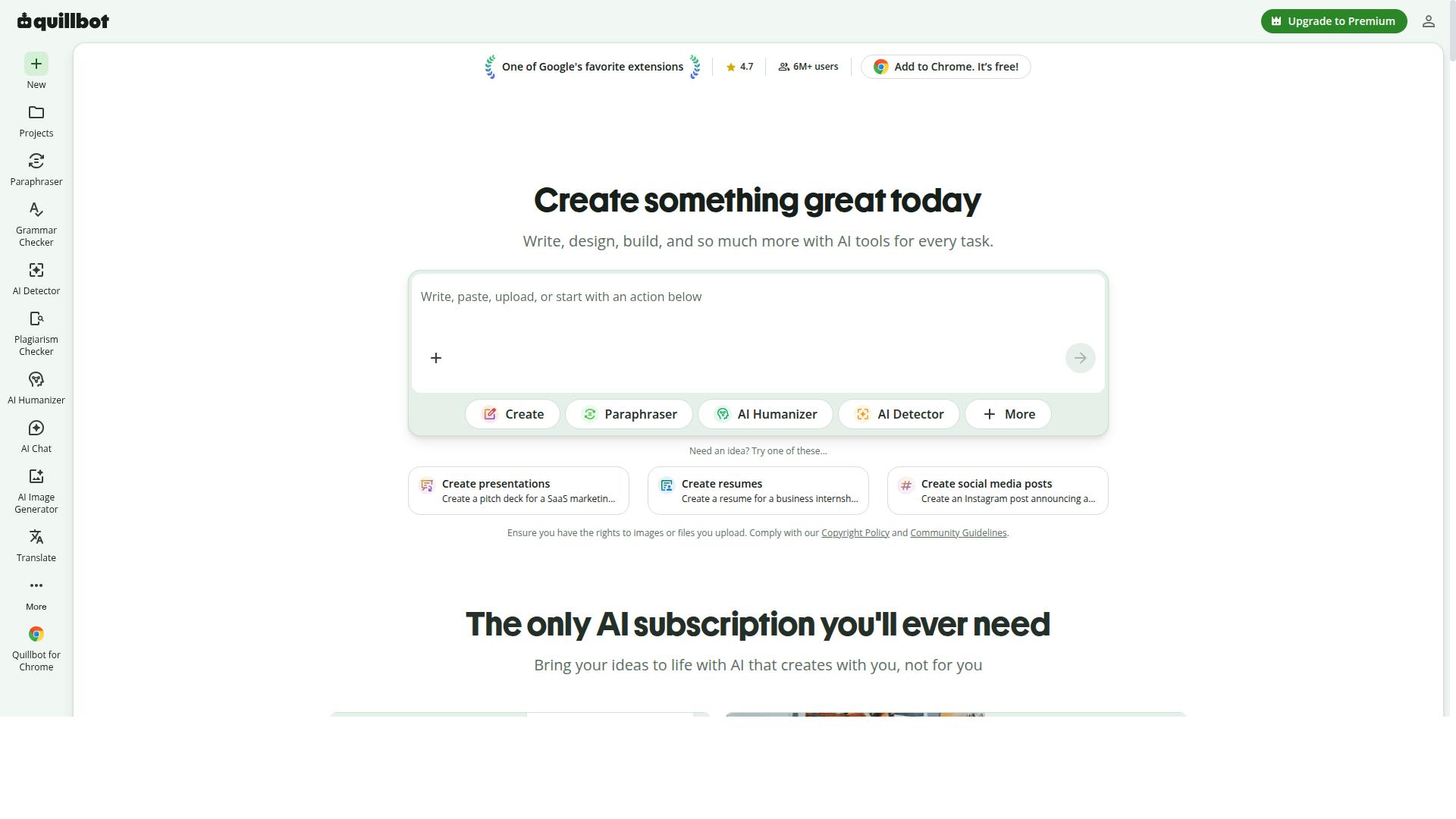
Reword focuses on rewriting and paraphrasing workflows with an API that accepts raw text and returns multiple variations. The service supports tone adjustment and paragraph rephrasing for writers who need refined output.
Users can apply synonym replacement to improve word choice while preserving original meaning. This approach helps maintain consistency across different content types.
The API handles requests for natural language generation without building full articles from scratch. Writers often use it to refine existing drafts rather than create new pieces.
Reword supports text generation API calls that return several rewritten options at once. Teams review the variations and select the version that fits their requirements best.
The tool learns from individual projects over time to improve suggestions. This feature makes it suitable for professionals who want AI writing tool assistance rather than complete automation.
Reword includes collaborative editing features and integrates with popular CMS platforms. Pricing starts at $39 a month and includes a 14-day free trial for new users.
3. Surfer

Surfer combines on-page SEO scoring with AI content generation through its Content Editor and AI writing modules.
The platform starts with keyword research import. Users bring in target terms and data from external sources to establish baseline requirements.
Next comes SERP outline creation. The system reviews top-ranking pages and builds a structured framework that includes headings, word count targets, and topic clusters.
AI paragraph suggestions appear once the outline is set. Writers receive machine-generated text that aligns with the established parameters and scoring system.
Integration with Google Docs and WordPress allows teams to move content between environments without manual copy and paste steps. The workflow supports both initial drafting and later optimization stages.
This approach suits SEO article writers who need measurable alignment with search requirements. The process maintains focus on natural language generation while tracking content performance indicators.
4. Rytr
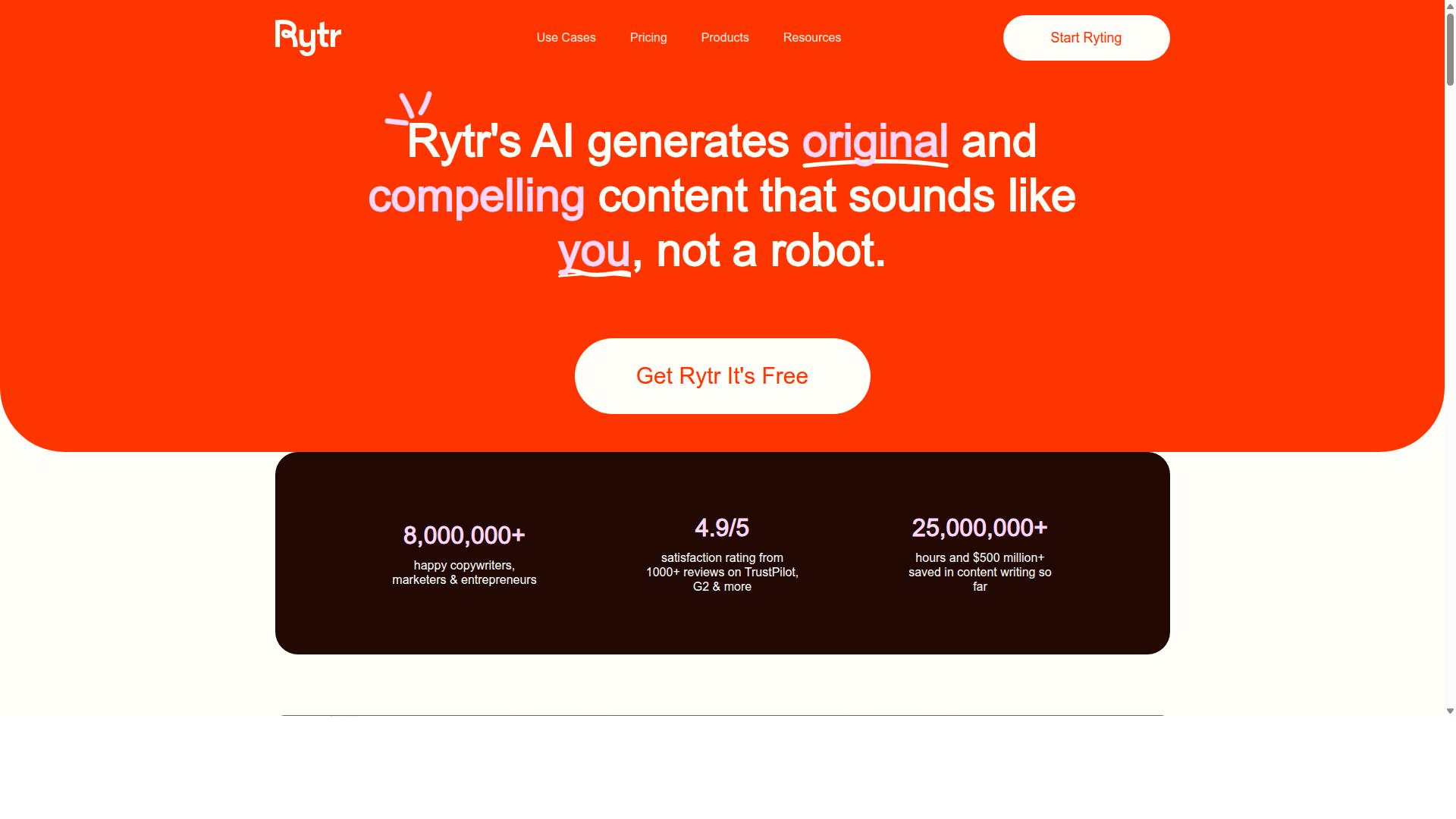
Rytr supplies dozens of templates covering blog posts, emails, and social copy with an API for programmatic calls.
Users access general template categories that handle marketing copy, blog outlines, and product descriptions. The platform supports content creation across multiple industries and formats.
Credit-based pricing structures let writers purchase usage credits rather than fixed monthly limits. Teams scale their spend according to volume requirements.
Rytr covers multiple languages for global content needs. A browser extension provides quick access to templates during daily workflows.
This AI writing tool serves businesses that need flexible text generation without deep technical setup. The API connects to existing content pipelines for automated workflows.
Teams looking for an AI article writer appreciate the straightforward credit system and broad language coverage. Rytr positions itself as a general-purpose solution for varied writing tasks.
5. HubSpot

HubSpot embeds AI writing assistance inside its Marketing Hub for email, landing page, and blog drafting.
The platform keeps these features as native modules that connect directly to its CRM and marketing automation systems. Users train the AI on brand voice guidelines and then route drafts through built-in approval workflows before publishing.
This setup helps marketing teams maintain consistent messaging across channels without leaving the main workspace. The AI suggestions appear inside familiar editing screens, which shortens the time needed to create new assets.
HubSpot suits organizations that already rely on its CRM for lead tracking and campaign management. The integrated AI writing tool removes the need to export content to separate platforms for editing or review.
Teams that value workflow visibility often choose this approach for automated content creation. The system records every change and comment inside the same record that tracks performance metrics later.
HubSpot offers a free plan or trial and starts at $20/mo for paid tiers according to public information. This pricing model appeals to businesses seeking an AI article writer that works inside a larger content generation platform.
6. Sudowrite
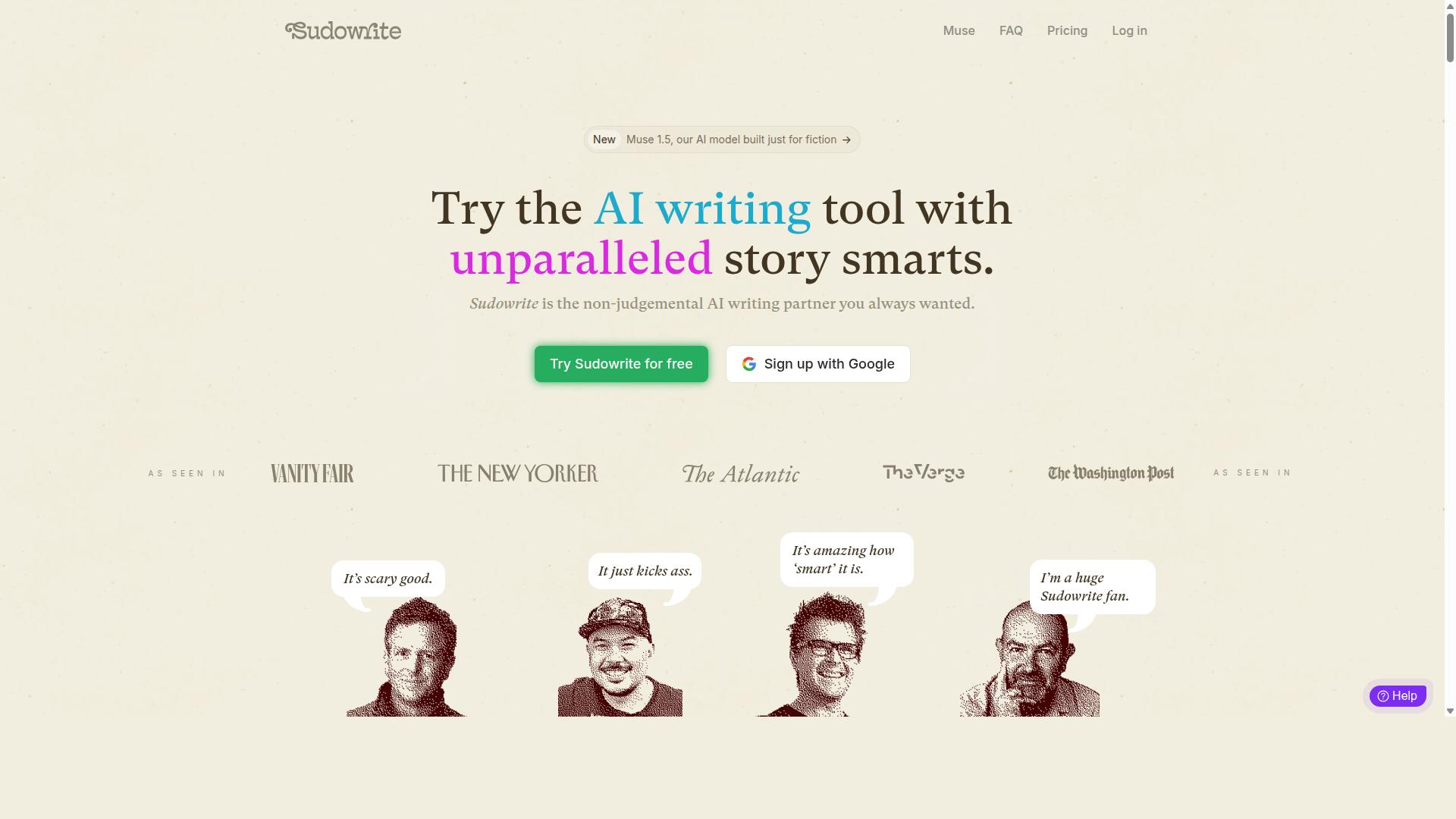
Sudowrite targets fiction and long-form creative writers with story-planning and chapter-expansion tools.
This AI writing tool uses its own model called Muse, trained only on fictional storytelling. The system helps writers adjust style, tone, or pacing within their drafts. Users can expand or shorten story sections as the narrative requires.
Sudowrite also supports rewriting sentences while keeping the creative tone. Writers can brainstorm character ideas, plots, or twists through its interface. The platform focuses on human-like fiction output rather than generic results from other models.
The tool offers beat sheets and character arc suggestions for story structure. Writers use these features to outline scenes before drafting. The system then assists with prose expansion once the plan takes shape.
Sudowrite differs from general-purpose AI article writer solutions that emphasize API-based article generation. Fiction writers who need creative development may find its specialized approach useful. Those focused on automated content creation for blogs or SEO may prefer other platforms.
How to Choose the Right Option
Choosing the right API-based AI article writer depends on team size, content volume, and required integrations.
Map your monthly article count to credit tiers first. Bloggers and affiliate marketers often need flexible monthly limits that scale with seasonal spikes, while marketing agencies require predictable high-volume tiers to service multiple client websites at once.
Verify language and output mode coverage next. SEO professionals publishing global campaigns need multi-language support, and content creators working across personal sites or parasite SEO projects benefit from varied output modes that match different content formats.
Test integration depth with your existing CMS. Portfolio sites and local sites rely on smooth connections to publishing platforms, and agencies managing client websites need API connections that fit into their current workflows without extra steps.
Evaluate support SLAs to protect your content pipeline. Agencies and SEO professionals running time-sensitive campaigns need clear response times and reliable assistance when automated content creation issues arise.
Reference your target audience facts before making a final decision. Bloggers running personal sites often prioritize ease of use and cost efficiency, while marketing agencies need robust API integration and higher credit allowances to handle multiple client projects simultaneously.
Affiliate marketers working on affiliate sites value reliable output quality and flexible scheduling options that align with product launches and promotional periods. Website owners managing local sites benefit from straightforward API access that requires minimal technical maintenance.
Final Verdict
Autoblogging.ai stands out for production teams that need reliable bulk generation, extensive integrations, and weekly feature updates.
This AI article writer has generated over 1M articles and maintains a 4.9 average rating across thousands of users. The platform supports 10+ AI modes that handle both short-form content and long-form content with equal reliability.
Teams benefit from 35+ integrations that connect directly to existing publishing workflows and content pipelines. Credits rollover means purchased capacity does not expire, giving organizations flexibility during high-volume periods.
The human proofreader option comes included with every plan. This service adds editorial oversight without requiring teams to manage separate contractors or review cycles.
One-click WordPress publish and SERP competitor analysis tools reduce manual steps in the content automation process. The 21-point SEO audit checks each article against established ranking factors before publication.
Featured snippet optimization helps articles target specific answer boxes in search results. New features ship weekly, so the API integration capabilities continue to expand without requiring users to switch platforms.
With 24/7 support available and 35+ languages supported, production teams can maintain consistent output across multiple markets. These verified capabilities position Autoblogging.ai as a dependable choice for API-based article generation at scale.
Frequently Asked Questions
How can developers access the APIs from the 6 Best AI Article Writers for API-Based Article Generation?
Most of these tools provide comprehensive documentation and SDKs that allow easy integration for automated article generation via API calls.
Which of the 6 Best AI Article Writers for API-Based Article Generation offers the most affordable pricing for high-volume API usage?
Options vary, but several provide scalable plans starting from low monthly fees with pay-per-use for API requests.
Are there any limitations when using the 6 Best AI Article Writers for API-Based Article Generation?
Common limitations include rate limits on API calls and varying levels of content originality, so testing is recommended.
What industries benefit most from the 6 Best AI Article Writers for API-Based Article Generation?
Marketing agencies, news outlets, and e-commerce sites often leverage these for rapid content production through API integrations.
How does security work with the 6 Best AI Article Writers for API-Based Article Generation?
Reputable providers implement OAuth and encryption to ensure safe data transmission during API-based article generation.
Can beginners use the 6 Best AI Article Writers for API-Based Article Generation effectively?
Yes, many offer user-friendly dashboards alongside APIs, making them accessible for developers and non-technical users alike.
Recommended Resources: